
Opinion
Nigeria: What an old age!

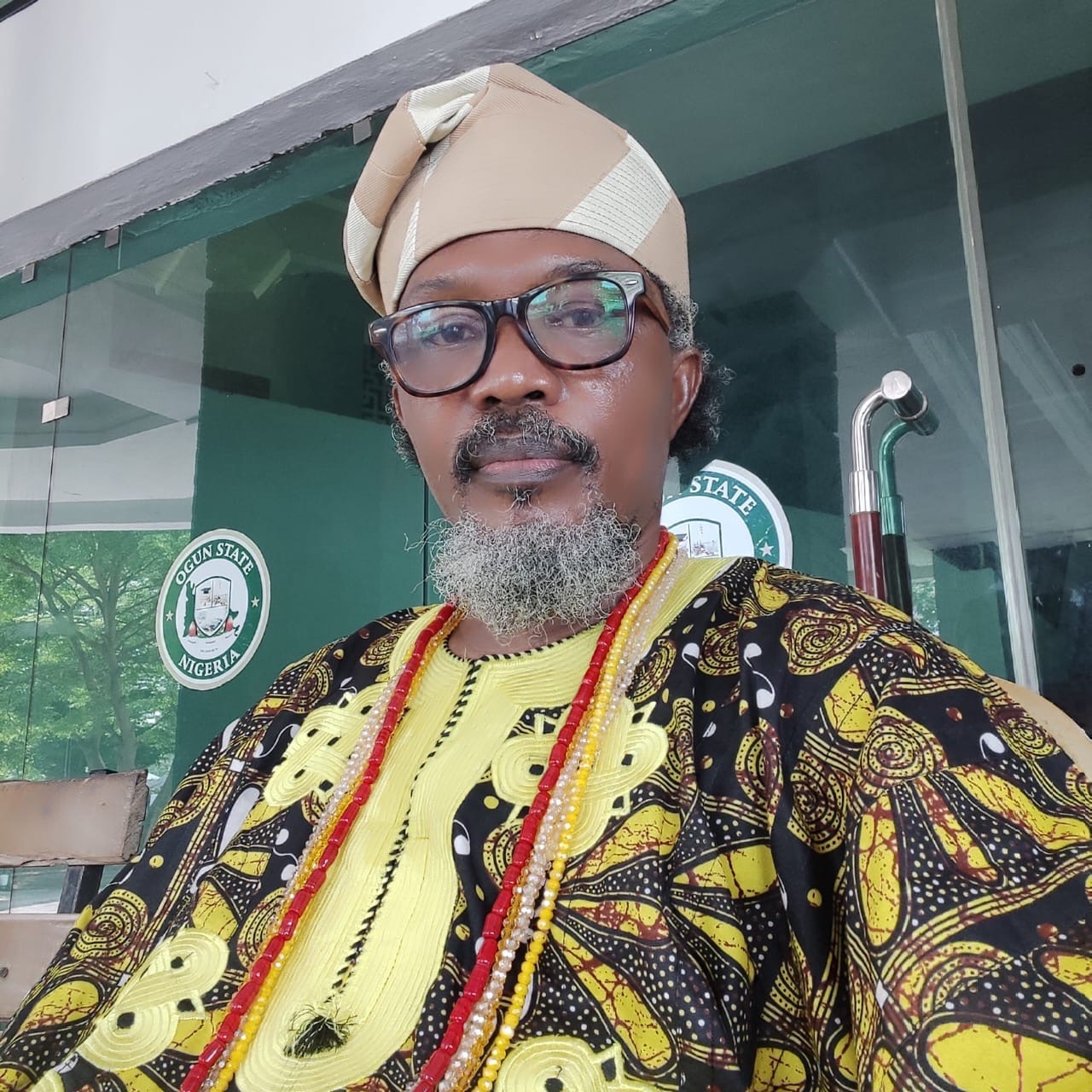
by Biodun Lasile
As Nigeria celebrates 65 years of independence on October 1, 2025, the nation pauses to reflect on its journey, acknowledging both progress and challenges. Despite being blessed with vast natural resources, Nigeria faces complex issues that hinder its growth and development.
The country’s economic struggles are deeply rooted in its heavy reliance on oil revenues, which has stifled diversification efforts and exposed the nation to the unpredictable nature of global markets. This vulnerability has far-reaching consequences, affecting the lives of millions.
Insecurity is another pressing concern, with terrorism, banditry, and kidnapping plaguing various parts of the country. These threats not only undermine peace and stability but also impact agricultural productivity and food security, leaving many vulnerable to hunger and poverty.
The statistics are stark: over half of Nigerians live below the poverty line, and approximately 33 million people are projected to face acute food insecurity in 2025. Corruption and weak institutions exacerbate these challenges, hindering Nigeria’s development and eroding trust in its systems.
However, amidst these challenges lie opportunities for growth and renewal. Diversifying the economy, for instance, could reduce Nigeria’s dependence on oil and unlock new avenues for job creation and economic progress. Investing in sectors like agriculture, manufacturing, technology, and renewable energy could be a game-changer.
With over 60% of its population under 30, Nigeria’s youth represent a powerful force for change. By investing in education, job creation, and entrepreneurship programmes, the nation could harness the energy and creativity of its young people to drive growth and development.
Strengthening institutions, promoting transparency, and enforcing accountability are also crucial steps toward building trust and stimulating economic progress. As Nigeria celebrates its 65th anniversary, the theme “Nigeria at 65: All Hands on Deck for a Greater Nation” serves as a rallying cry for collective action. Leaders and citizens alike are calling for a renewed commitment to unity, peace, and progress, recognising that a stronger, more prosperous Nigeria is within reach if all stakeholders work together toward a common goal.
Nigeria at 65 is a good old age!
Abiodun Lasile DL MnbR Orunto
Baalufe Owu Kingdom Abeokuta
Founder/Coordinator, The SixthSense Initiative and Sixth Sense Series Publications
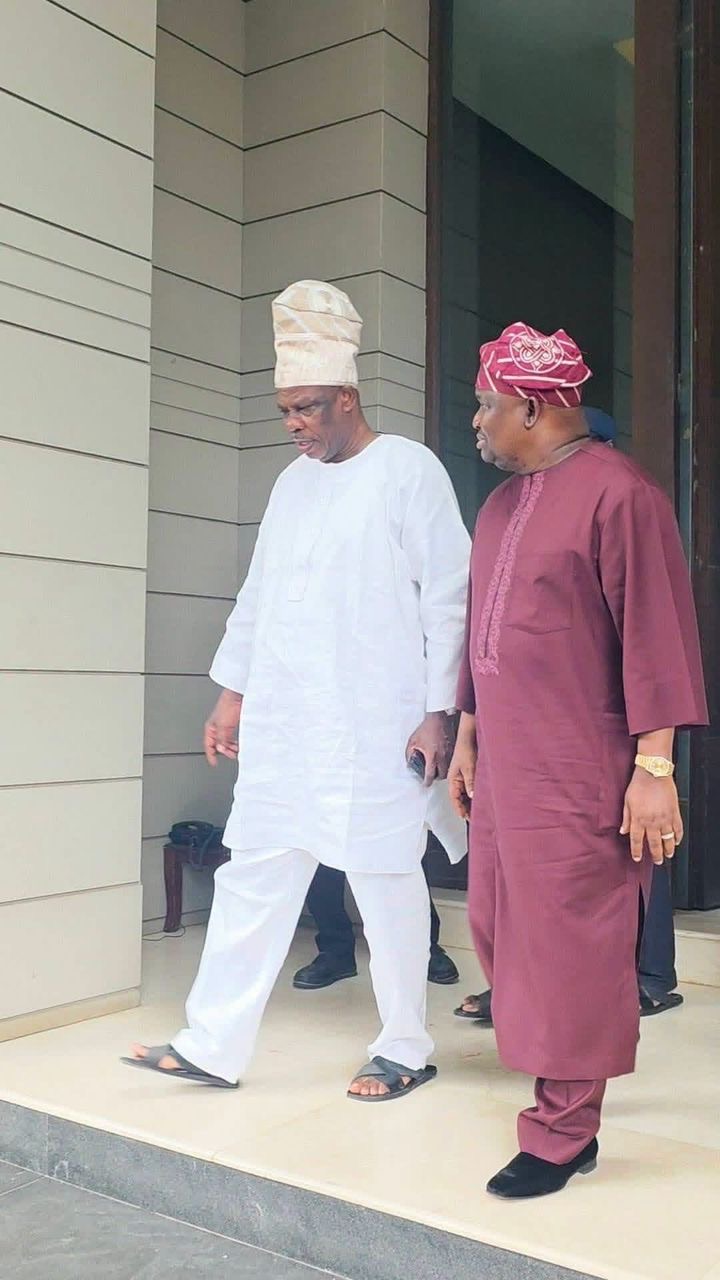
by Jubril Jamal
Senator Solomon Olamilekan Adeola’s consultative visit to former Ogun State Governor, Senator Ibikunle Amosun, was far more than a routine political courtesy. Coming at a crucial stage of the 2027 governorship race, the meeting signaled a deliberate effort by the APC consensus candidate to consolidate influential political blocs across Ogun State.
In a political environment where alliances often determine electoral outcomes, YAYI’s appearance at Amosun’s residence reinforced his strategy of building bridges with key stakeholders rather than deepening old divisions.
For YAYI, the significance of Amosun’s support cannot be overstated. Despite leaving office in 2019, Amosun remains one of the most formidable political figures in Ogun Central, particularly across Abeokuta North, Abeokuta South, Odeda, Obafemi-Owode, Ewekoro and Ifo.
His political structure, loyal grassroots followers and enduring influence within the APC continue to make him a major force in the state’s electoral calculations.
Winning the confidence of such a political heavyweight substantially strengthens YAYI’s chances in the senatorial district widely regarded as the battleground that could ultimately decide the governorship election.
During the convergence, YAYI maintained his now familiar message of unity, consultation and inclusive leadership. He described his statewide consultations as a mission to seek the blessings, prayers and wise counsel of respected leaders before embarking fully on his campaign across Ogun.
Rather than projecting personal ambition, he framed his governorship aspiration as a collective project aimed at repositioning Ogun State through purposeful governance, economic expansion, agricultural development and improved infrastructure. That tone of humility and inclusiveness appears designed to reassure different political interests that his administration would accommodate every section of the state.
Equally significant was Amosun’s reception of the APC flagbearer. The former governor’s willingness to receive YAYI publicly sends a strong message to his political family and supporters across Ogun Central that dialogue and party cohesion should take precedence over internal divisions. While political endorsements are measured not only by words but by subsequent mobilization, the optics of the meeting alone have strengthened perceptions that influential APC blocs are gradually rallying behind a common objective ahead of 2027.
Beyond Amosun’s political machinery, the visit also complements YAYI’s broader consultation with elder statesmen, including former President Olusegun Obasanjo. By seeking guidance from respected political leaders across ideological and factional lines, YAYI is projecting himself as a consensus builder rather than a factional candidate. The approach is intended to broaden his acceptability beyond traditional party loyalists while reinforcing his campaign’s emphasis on reconciliation, stability and statewide development.
Ultimately, the Amosun visit may prove to be one of the defining moments in the early stages of YAYI’s governorship campaign. If translated into active grassroots mobilization, it could significantly reshape the political dynamics of Ogun Central and improve his statewide electoral prospects.
More importantly, it demonstrates that in Ogun politics, securing the confidence of influential political leaders remains as important as winning the support of the electorate, and YAYI appears determined to pursue both with equal intensity.
Jubril Jamal
A Public Commentator
Gbangba, Abeokuta
Ogun State
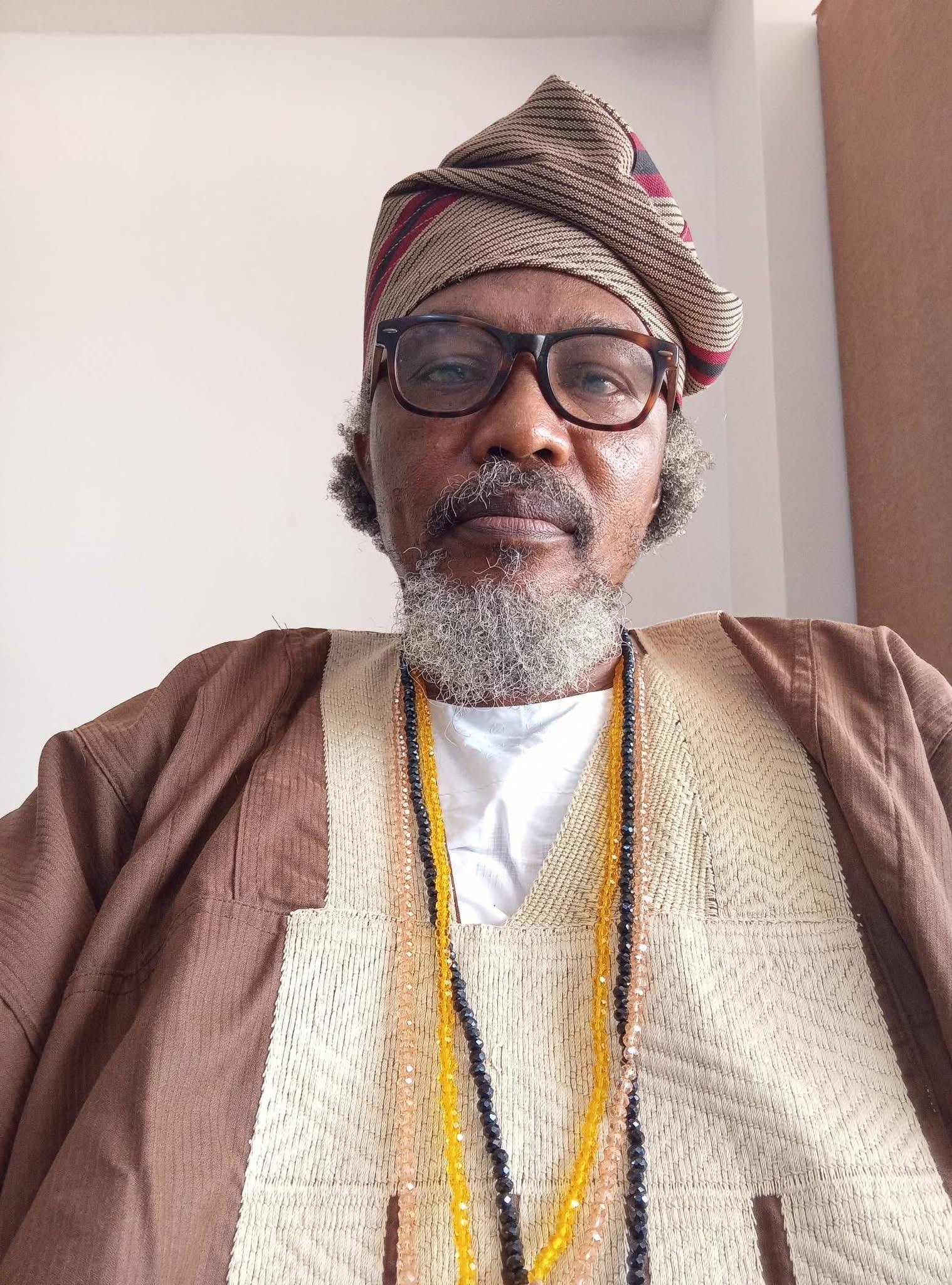
by Chief Abiodun Lasile
I am convinced that every public speech has an audience and should reflect the realities of that audience.
The “Akara and Kulikuli” proposition may have been appropriate as a survival strategy in the remotest communities of an earlier era, but it falls far short of the aspirations of 21st-century Nigerian women. After decades of advocacy for women’s empowerment—from the Better Life Programme to the landmark Fourth World Conference on Women—our conversations should be centred on access to quality education, affordable healthcare, entrepreneurship, technology, decent jobs, and sustainable economic opportunities.
How can women struggling under the weight of inflation, rising transport costs, and declining purchasing power be inspired by suggestions that merely reinforce subsistence living, especially when such advice comes from the comfort of the nation’s highest corridors of power?
The issue is not whether selling akara or kulikuli is an honourable business—it certainly is. The concern is whether such examples represent the level of economic vision Nigerians deserve at a time of deep hardship.
Economic reforms may be reflected in statistical reports, but the true measure of success is whether ordinary citizens experience relief in their daily lives. Until the benefits are felt in the markets, on the streets, and around family dining tables, many Nigerians will continue to question whether those figures reflect their lived reality.
Leadership communication should not only acknowledge hardship; it should inspire confidence through practical, scalable solutions that restore dignity, expand opportunity, and improve the quality of life for all Nigerians.
-Abiodun Lasile DL MnbR
Orunto Baalufe of Owu Kingdom
Chairman, Association of Nigerian Authors, Ogun State
WADAA Anti-Drug Ambassador
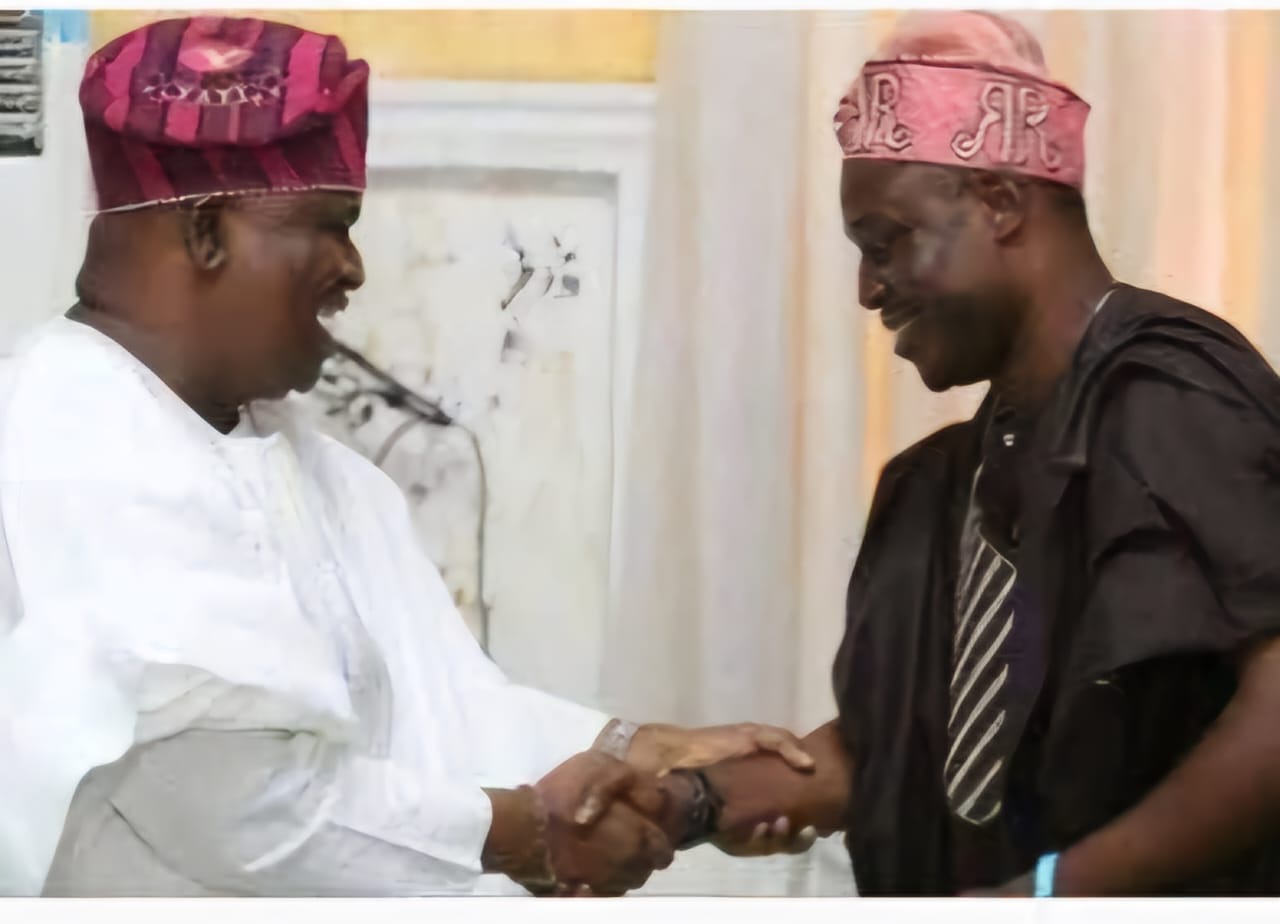
by Dr Rotimi Rahmon
There is a saying that is gaining relevance in the political conversations of Ogun West in recent times: “One of us is better than none of us.”
At first glance, the statement may sound simple, but beneath it lies a deep political reality that many people in Ogun West will soon understand too well.
For decades, the people of Ogun West have played their part in the growth and development of Ogun State. They have contributed immensely to the economy, politics, culture, and social advancement of the state. Yet many sons and daughters of Yewaland have often felt that when major political decisions are made, their zone is usually left on the sidelines.
This feeling has not been about bitterness or entitlement. Rather, it has been about inclusion. Every community wants to feel represented. Every people desire a voice at the table where decisions affecting their future are made. It is only natural.
That is why the emergence of Senator Solomon Olamilekan Adeola, popularly known as Yayi, has generated so much interest and excitement across Ogun West. To many people, his rise represents more than the success of one individual. It symbolizes the possibility of greater political relevance for a region that has long desired a stronger presence in the leadership structure of Ogun State.
Politics is often about access and influence. When a community has a leader who commands attention and respect within the political establishment, the chances of attracting development and opportunities become stronger. Such a leader becomes a bridge between the people and government. He becomes a point of contact through which the aspirations of the people can be projected and pursued.
This is where Yayi’s story resonates with many people in Ogun West. Over the years, he has built a reputation as a grassroots politician who maintains close contact with ordinary people. Through various empowerment programmes, educational support initiatives, infrastructure projects, and constituency interventions, he has established a political presence that extends beyond campaign seasons.
Whether one agrees with his politics or not, it is difficult to ignore the fact that he has become one of the most influential political figures from Ogun West in recent times. His name is now central to discussions about the future of the state and the place of Ogun West within that future.
For many supporters, therefore, the argument is straightforward. If Ogun West has produced a leader with the experience, visibility, network, and capacity to compete at the highest level, why should the region not rally behind him? Why should people with legitimate aspirations remain divided when unity could strengthen their voice?
But this conversation should not be limited to Ogun West alone. It should also concern Ogun Central and Ogun East. The question before the state is not simply about who governs next; it is about what kind of political culture Ogun State wants to build for future generations.
Since the creation of Ogun State, leadership opportunities have largely rotated between Ogun Central and Ogun East. Both regions have produced governors and occupied the highest political office in the state at different times. Ogun West, despite its size, population, economic contributions, and loyalty to the growth of the state, is yet to occupy that position.
For this reason, many believe that supporting Ogun West at this moment is not about politics alone. It is about justice, fairness, and balance.
When one part of a state consistently feels excluded from the highest level of leadership, it creates a sense of political inequality. But when every zone is given a realistic opportunity to lead, it strengthens unity, deepens trust, and reinforces the belief that every citizen belongs.
Ogun Central and Ogun East stand to gain from such an arrangement. Supporting Ogun West would send a powerful message that Ogun State is a family where every section matters. It would demonstrate that leadership is not the exclusive preserve of any particular district but a shared responsibility among all the people of the state.
More importantly, it would help cement a tradition of political inclusiveness that future generations can build upon. Today, it may be Ogun West seeking understanding and support; tomorrow, another region may seek the same consideration. The strength of any democracy lies in its ability to accommodate all interests fairly.
The call, therefore, is not for sympathy but for partnership. It is a call for the people of Ogun Central, Ogun East, and Ogun West to see themselves as stakeholders in a common destiny. It is a call to rise above sectional interests and embrace a broader vision of equity and unity.
This is the essence of the saying, “One of us is better than none of us.”
It does not mean blind loyalty. It does not mean competence should be sacrificed for sentiment. Rather, it means that when a qualified and capable son of a region that has long waited for its turn emerges, supporting such a person becomes an investment in fairness and stability.
Today, many people in Ogun West see Yayi as that rallying point. They see him as someone who can provide the political platform through which the dreams and aspirations of the district can find expression. Whether that hope ultimately translates into greater political achievements remains to be seen, but there is no doubt that he has become a symbol of possibility.
As Ogun State approaches another defining moment in its political journey, the opportunity exists to strengthen the bonds that unite the state. By embracing fairness, encouraging inclusion, and giving every region a sense of belonging, Ogun can continue to serve as a model of peaceful and progressive politics.
That is why the message remains powerful and relevant today: One of us is better than none of us.
For many in Ogun West, it is not merely a slogan. It is a call for recognition, inclusion, and partnership. For Ogun State as a whole, it is a reminder that when every region has a seat at the table, the entire state becomes stronger.
Comrade Rotimi Rahmon Ph.D., FICA.
Osi Quarters, Ota,
Ado-Odo/Ota LG
-
 Business5 months ago
Abuja Real Estate Market shatters records with unprecedented Q1 2026 performance
-

 News11 months ago
Ogun FIBAN lauds ‘Paulo Rossi’ on birthday
-

 Politics1 year ago
The Yayi Effect and Political Leadership: A Call for Value-Driven Endorsements
-

 News1 year ago
United Premier Movement inaugurates Interim Working Committee
-

 News8 months ago
Waste Dealers Protest: Illegality Fighting Back – OGWAMA
-

 Politics1 year ago
The Yayi Effect and Political Leadership in Ogun State (Part 2)
-

 Culture12 months ago
Ayinla Egba celebrates Alake of Egbaland at 82
-

 Education11 months ago
Sixth Sense to host Children’s Reading Competition